









Pound and Euro Turn Tail Against Dollar on Latest Iran War Escalation
- Written by: Gary Howes
✳️ Secure today's exchange rate for a future payment. You may also book an order to trigger your purchase when your ideal rate is achieved. Learn more.
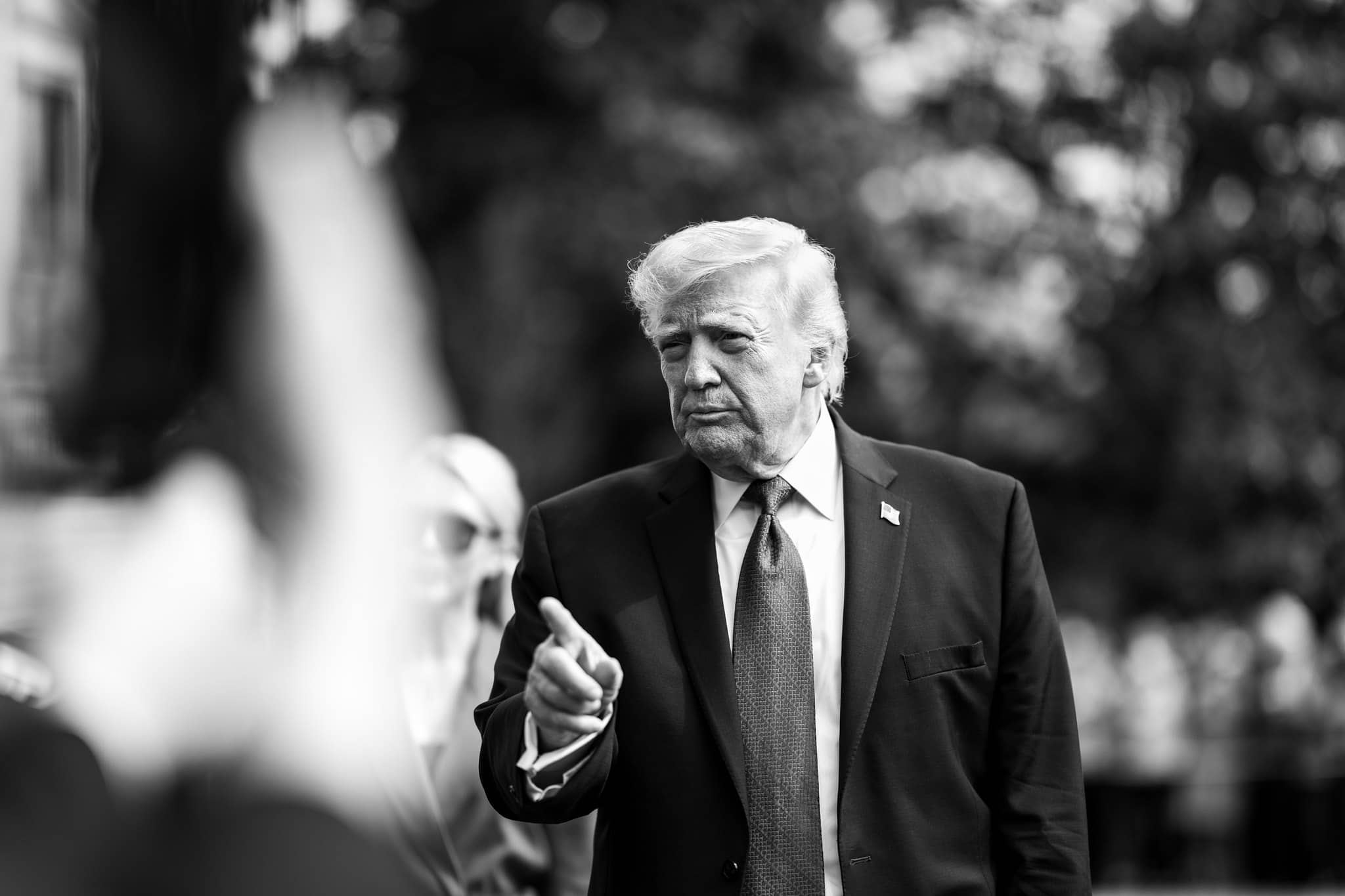
Official White House Photo by Molly Riley
The British pound is softer against the euro and dollar on a fresh escalation in the Persian Gulf.
It is reported Wednesday that Iran's Pars gas field was hit for the first time in what amounts to a new escalation in the conflict.
The U.S. and Israel have avoided strikes on Iranian energy infrastructure to avoid contributing to spiralling energy costs, meaning any sanctioned hit on the Iranian portion of the world's largest gas field represents an expansion of the war.
Iran has warned Gulf states to clear their installations of personnel, in a sign they intend to escalate their own response.
“The attack is a serious escalation which threatens retaliatory strikes on Gulf and Israeli production facilities, but for Europe it is sure to spell higher risks as Turkey’s imports from Iran and Turkmenistan are now in jeopardy if Iran declares force majeure and diverts flows for its domestic market,” said Montel's Geopolitical Energy Analyst, Andres Cala.
European wholesale gas benchmarks rose 7% following the attacks and Brent crude rose to 105 / barrel, putting it on course for the highest daily close since the crisis began.
The dollar has advanced against its peers: pound-dollar drops a quarter of a per cent on the day to 1.33 and euro-dollar falls to 1.1543.
Interestingly, pound-euro has fallen to 1.1563, sending a warning to those watching this exchange rate that the conflict won't necessarily always result in gains, meaning a move above 1.16 could now be out of reach.
Compare Currency Exchange Rates
Find out how much you could save on your international transfer
Estimated saving compared to high street banks:
£2,500.00
Free • No obligation • Takes 2 minutes
Overnight Tuesday, Iranian attacks continued with a fresh wave of missile and drone attacks, targeting the United Arab Emirates, Saudi Arabia and Kuwait. This suggests that even if the U.S. chooses to disengage at some point, Iran can continue to disrupt global energy supplies by squeezing the Strait of Hormuz.
The Strait remains largely closed to traffic, but some ships have been allowed through by Iran, confirming the country will choose which traffic to allow through. We could see more deals struck by Iran with countries deemed friendly, allowing seaborne cargo to pass through the Strait.
Despite those Iranian attacks, the day started with an ounce of optimism as Iran lets 'friendly' ships pass through the Strait of Hormuz, and exports from Iraq's Kirkuk fields to Turkey's Ceyhan port resumed after Baghdad and the Kurdistan Regional Government agreed on Tuesday to restart pipeline flows.
President Donald Trump added to some cautious optimism when he said overnight the U.S. could end the war with Iran "in the near future."
The comments suggested the President was unlikely to escalate the war further, which significantly lowers the risk of another damaging surge in energy prices that would risk sending the global economy into recession.
Yet, here we are, mere hours later from Trump's comments, and Pars is under attack, ensuring the dollar retains its dominant status in global FX and pound sterling is left vulnerable to newswire headlines.


